VW ID 4 Battery Replacement Cost
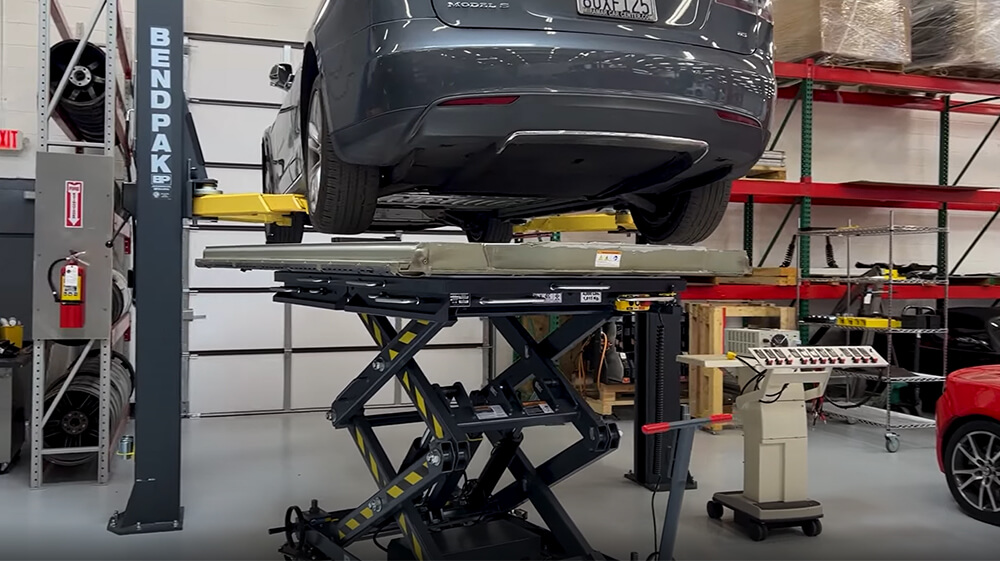
What are the expenses involved in replacing EV batteries after the warranty period ends? While many reports indicate that most EV batteries will likely outlive the cars they’re installed in, there are still plenty of alarming tales about steep repair bills.
Our goal is to shed light on the current costs of EV battery replacements and how these may change in the future.
In this blog post, we will explore VW ID 4 Battery Replacement Cost, the current labor rates for EV servicing, and the possibilities of repairing electric car battery packs.
How Much Does an EV Battery Cost?
As of late 2023, BloombergNEF reported that the cost of lithium-ion battery packs for electric vehicles (EVs) had dropped to $139 per kWh. For example, a new Model S battery pack (100 kWh) would cost approximately $13,900—an estimate that aligns well with Tesla’s pricing.
Previously, the cost of EV batteries had increased from a low of $138 per kWh in 2021 to a high of $161 per kWh in 2022. Fortunately, this peak appears to have passed, with prices expected to decline further in 2024. Although today’s price is significantly lower than the $1,355 per kWh recorded in 2008, it remains higher than anticipated due to supply chain disruptions and material shortages as more automakers accelerate EV production.
Industry experts remain optimistic that the cost of EV batteries will fall to around $100 per kWh, or potentially even lower, in the coming years. However, fluctuations in the materials market make it difficult to pinpoint an exact timeline for these reductions.
The global average size of an EV battery pack typically ranges from 40 to 43 kWh, whereas in the US, these packs tend to be larger, averaging between 60 to 75 kWh. Consequently, the estimated average replacement cost for an EV battery in the US falls within the range of $8,340 to $10,425. It’s crucial to recognize that Tesla’s dominant position in the US EV market significantly influences these estimates, as Tesla’s pricing may not accurately reflect the costs for other brands, which often incur higher production expenses.
At the lower end of the spectrum, the observed replacement cost stands at approximately $3,500 to $4,500 for a refurbished battery pack from an older Nissan Leaf, ranging between 24 to 30 kWh.
Conversely, the highest recorded electric vehicle battery replacement cost to date is about $47,000 for the long-range battery pack used in the F-150 Lightning. It’s worth noting that Ford has designed the Lightning with the intention that it should rarely, if ever, necessitate a complete battery replacement. However, the 246 kWh pack in the 2024 GMC Hummer EV SUV 3X trim, currently the largest available battery pack, poses a strong contender for the title of most expensive replacement.
For deeper insights into the factors impacting EV battery manufacturing costs and how global events influence prices, consult the Institute for Energy Research’s detailed article on the 2022 cost increase for EV battery packs.
Labor Costs for Electric Vehicle Battery Replacement
The cost of replacing EV batteries can vary significantly based on several factors. These include your geographical location, the level of expertise at your chosen dealership or service center regarding high-voltage systems, and any additional complexities beyond a straightforward battery swap. For EVs designed for easy replacement, such as the Nissan Leaf, swapping out the battery itself is generally a swift process, often completed in under 15 hours, and sometimes as quickly as 3 hours.
Turning to labor costs, in 2022, the average hourly rate for auto repair labor across all 51 states was $142.86, as reported by CarMD.com’s state index. However, many EV models, excluding those like the Nissan Leaf, typically necessitate service from a dealership staffed with technicians trained in handling high-voltage systems for tasks like battery diagnostics and replacement. Consequently, labor expenses for EV repairs in today’s market often exceed the national average.
When it comes to dealership EV repair services, labor costs tend to surpass the national average by over 20%, averaging around $171.43 per hour and sometimes even higher. In high-cost states like California, these rates can skyrocket, with reports citing figures exceeding $250 per hour.
Considering these estimates, the expenses for replacing an EV battery can vary substantially, ranging anywhere from $500 to upwards of $2,550. It’s crucial to note that these numbers fluctuate significantly depending on the particular EV manufacturer and dealership.
How Long Does it Take to Replace an EV Battery?
Replacing an EV battery typically requires only about a day’s worth of work for many EV brands. However, the entire process, from initially contacting a service center or dealership to getting your repaired EV back in your driveway, can span anywhere from a week to several months.
Why does replacing an EV battery take so long?
Firstly, supply chain issues and shortages of battery materials have a significant impact on repair shops, even those within dealerships. Manufacturers grappling with battery supply shortages mean repair shops are often deprioritized for battery pack shipments.
Secondly, many battery replacements do not entail brand-new packs. Often, packs are refurbished or repaired by the manufacturer and matched to the car’s age where feasible. Refurbished packs are frequently scarcer than new ones and must undergo multiple inspection and certification processes before they reach a repair shop.
Lastly, EVs needing battery replacements tend to be older models employing technology that is no longer in production. For example, early Nissan Leaf and Tesla models may only have refurbished battery packs available, further limiting supply. Consequently, additional time may be required to locate a suitable replacement pack for these earlier models.
Regardless, we recommend staying in touch with your service center or dealership if you’re unsure about the timeline for replacing your EV’s battery pack. It’s important to clarify how long they anticipate keeping your EV, whether they offer a loaner vehicle during the repair period, and if it’s safe to continue driving your vehicle in the meantime.
Can You Do a Partial EV Battery Pack Replacement?
If only a few cells in an EV’s battery pack malfunction while the others remain functional, skilled technicians can typically pinpoint the issue through software analysis or physical inspection. In theory, repairing the pack might involve replacing only the problematic cells. However, in practice, most EV battery packs are engineered in a way that makes replacing individual cells difficult or impractical. Often, replacing groups of cells or entire sections of the pack proves to be the more viable solution.
Regrettably, repairing a small section of an EV battery pack demands specialized expertise, and many dealerships currently lack the capability to perform such intricate procedures. A critical issue in the EV industry is the limited availability of manufacturer training for independent automotive technicians to gain expertise in high-voltage systems. Furthermore, dealerships that do provide EV training often struggle to swiftly update their technicians and facilities to meet the rising demand for specialized EV diagnosis and repair services.
In essence, the decision between repairing or replacing an EV battery pack often tilts towards replacement due to the inherent complexities. While some electric vehicles, such as Ford’s F-150 Lightning, offer partial battery pack replacement options, many EV manufacturers typically recommend full replacements as the solution for a malfunctioning battery pack.
VW ID 4 Battery Replacement Cost
VW ID 4 Battery Replacement Cost stands at $27,000 (MSRP). Through diligent comparison across various dealerships, we managed to negotiate discounts of up to $3,000, yet the total expense remains above $20,000. Despite this placing it at the higher end of electric vehicle battery costs, the 82 kWh capacity of the pack exceeds that of the average EV battery.
Labor charges for the replacement of the VW ID.4 battery pack are anticipated to hover around $200 per hour. However, the exact timeline for diagnostic procedures and the swap process remains somewhat ambiguous. However, the only specific timeframe we found was related to a 2022 recall replacement, which reportedly takes up to two days according to electrive.com.