Can You Buy Parts From Tesla Dealer Channels? A Practical Sourcing Strategy for Tesla Parts Buyers
Many businesses entering the Tesla parts market start with the same question: Can you buy parts from Tesla dealer channels and build from there?
It sounds like the logical first step. In traditional internal combustion vehicle parts distribution, that approach often makes sense. Dealer parts networks are usually tied to authorized channels, regional stock, standard ordering logic, and clearer downstream resale paths. Tesla works differently. Tesla has an official parts ecosystem, but it is built around the Tesla Parts Catalog, the Tesla Shop, and service-related channels rather than a traditional dealer warehouse model.
So the answer to can you buy parts from Tesla dealer channels is yes, in some cases. But that is not the same as having a reliable long-term supply model. For companies that want to build a Tesla parts line rather than place occasional orders, the more important question is whether that path supports repeat replenishment, accurate matching, usable category planning, and long-term product-line growth.
Why Tesla Dealer Parts Can Be Harder to Use Than Expected
The phrase Tesla dealer parts sounds simple, but the supply logic behind it is not.
In traditional automotive distribution, buyers are used to a more stable dealer structure. Tesla’s public-facing setup is different. Instead of a classic dealer stock model, buyers are pushed toward catalog-based identification, selected direct purchasing, and service-linked guidance. That means the real issue is often not where the dealer is, but how correctly Tesla parts can be identified, sourced, and replenished in a way that actually supports business.
That difference becomes more important once a company starts planning stock, building a category map, or expanding beyond one-off transactions. At that point, can you buy parts from Tesla dealer channels stops being a simple yes-or-no question. It becomes a sourcing strategy question.
Where Tesla Parts Can Actually Be Sourced Today
If you are asking, can you buy parts from Tesla dealer channels? It helps to separate the available paths clearly.
The first path is the official Tesla Parts Catalog / EPC. This is the most important reference layer because it gives visibility into parts’ structure and fitment logic. For commercial buyers, that matters not only for looking up a part but also for understanding how Tesla expects the part to be matched.
The second path is the Tesla Shop parts section. Tesla Shop is useful for selected replacement parts and accessories, but it is still a purchase channel rather than a full commercial replenishment platform.
The third path is Tesla’s service-related channel structure. Some categories still sit closer to service logic than to free-form aftermarket distribution logic. That makes official access useful, but not automatically complete from a business perspective.
There is also a built-in limitation. Tesla’s EPC currently supports direct online ordering for only part of the catalog. So when people ask can you buy parts from Tesla dealer channels online, the real answer is that access exists, but it is still partial.
Can You Buy Parts From Tesla Dealer Channels and Build a Real Product Line?
This is where many buying decisions go wrong.
A buyer confirms that some Tesla parts can be purchased through official channels and assumes the sourcing problem is solved. It is not. A one-time purchase path and a reliable supply model are two completely different things.
A real supply model needs enough coverage to support a usable catalog. It needs a replenishment logic that can be repeated. It needs a matching discipline strong enough to handle VIN differences, revision updates, regional variation, and model changes. It also needs cost logic that leaves room for resale, bundling, or structured category growth.
That is why you can buy parts from Tesla dealer channels, which is only the first layer of the conversation. The second layer is whether those channels can support the kind of repeatable supply path a commercial buyer actually needs.
What Buyers Usually Need Beyond Basic Official Access
Once a business moves past basic access, more practical needs appear.
The first is a product mix that can actually be stocked. Businesses do not grow by buying random, isolated parts. They grow by deciding which items deserve repeated quoting, stable stocking, and long-term inclusion in the catalog.
The second is repeat replenishment. A part that can be bought once but cannot be replenished smoothly is not the same as a part that can support an ongoing line.
The third is a wider category of usability. A narrow official path may help in occasional cases, but it does not automatically support real product-line expansion.
The fourth is resale margin. Even if the answer to can you buy parts from Tesla dealer channels is yes for some SKUs, that still does not mean the cost structure supports downstream business.
This is exactly why many commercial buyers combine official reference tools with a broader sourcing structure. If your team is trying to build a clearer sourcing workflow, it helps to connect official reference logic with working B2B procurement content, such as Tesla Parts Catalog By Model: Part Numbers, EPC & Sourcing Guide, and Tesla Part Number: How B2B Distributors Run a High-Accuracy Tesla Part Number Search.
Why Official Tesla Dealer Parts Access Is Often Not Enough on Its Own
Official Tesla access has real value. It gives buyers a public catalog, selected online purchasing, and service-linked guidance. For part identification, reference checking, and certain direct purchase situations, that matters.
But usefulness is not the same as sufficiency.
For a company trying to build a Tesla product line, official access often stops short of what a mature aftermarket operation needs. Coverage may not be broad enough. Online ordering does not apply to every category. Some flows are still shaped more by service logic than by resale logic.
That is why a better commercial question is not simply can you buy parts from Tesla dealer channels. A better question is which categories should rely on official reference paths, and which categories need a stronger independent supply structure behind them.
Tesla Dealer Parts vs Independent Supply in Real Business
In real operations, official sourcing and independent supply are not opposites. They solve different problems.
Official sourcing is useful when a buyer needs authoritative catalog visibility, wants to verify fitment against Tesla’s own logic, or needs selected official items in certain cases.
Independent supply becomes more useful when the goal is wider category coverage, easier replenishment, multi-SKU consolidation, and the gradual building of a repeatable product line.
That is why experienced buyers often use both. The official layer works as a reference layer and, in some cases, a selective purchase path. The independent layer works as the operating layer for stocking, category expansion, and repeat supply. In practice, that combination is usually more workable than relying on a single channel.
If you are planning broader category development, it also helps to connect this logic with internal category pages, such as Tesla Wholesale Parts: How Distributors Build a Profitable EV Parts Business and Tesla Aftermarket Body Parts Supply Chain.
Which Tesla Parts Categories Usually Make Sense First
A Tesla product line does not need to begin with everything.
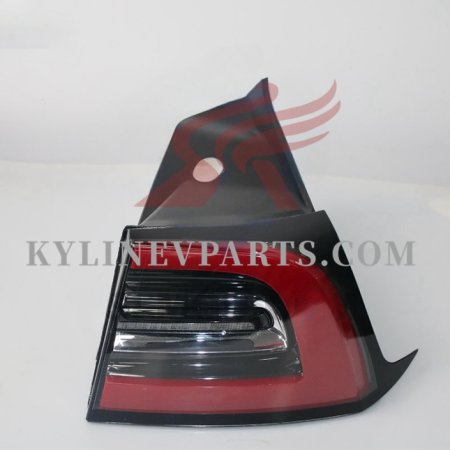
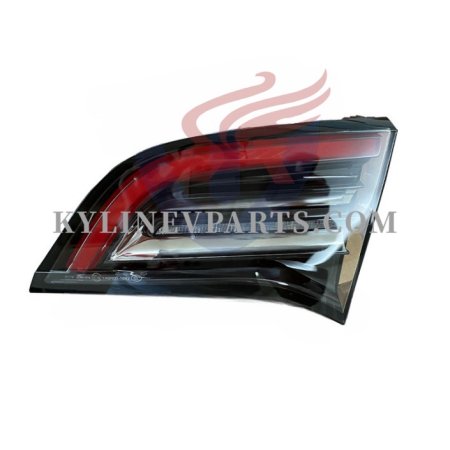
For most buyers, the first useful categories are the ones that combine repeat demand, easier standardization, and manageable fitment risk. In practical market terms, that often means filters and consumables, brake parts, suspension parts, door handle repair kits, and common replacement lighting items.
These categories are usually easier to quote repeatedly, easier to integrate into an existing product list, and easier to test inside a controlled entry strategy.
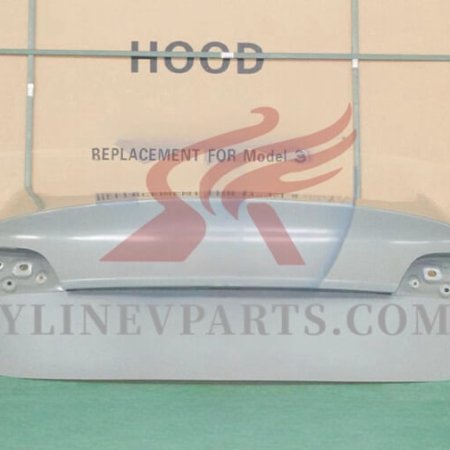
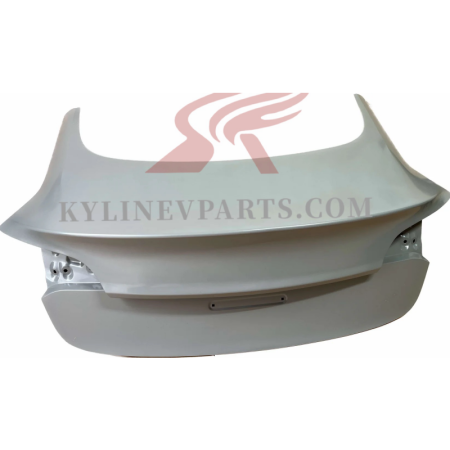
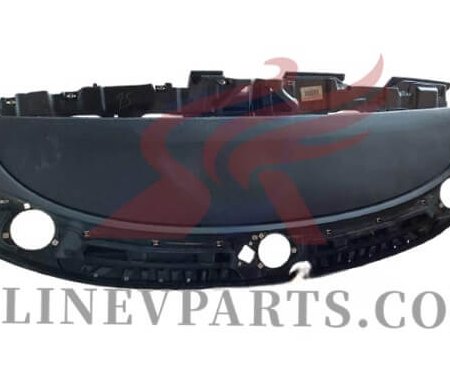
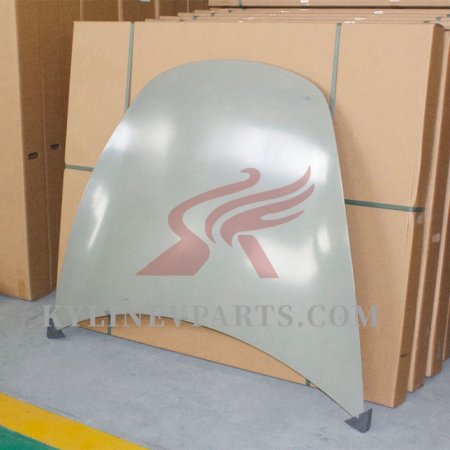
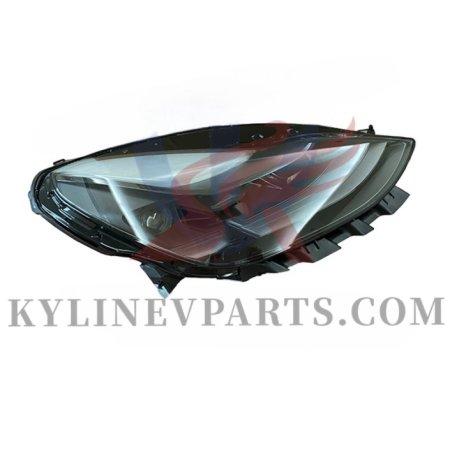
More complex categories usually come later. Body parts, bumper components and brackets, larger lamp assemblies, selected electrical parts, and trim or structural accessories can all be commercially valuable, but they demand stronger matching discipline, better category logic, and tighter inventory control.
That is another reason why you cannot buy parts from Tesla dealer channels is not enough as a standalone decision point. The category sequence matters just as much as the purchase path.
The Real Barrier Is Not Access — It Is Matching the Right Part at Scale
This is the part many businesses underestimate.
The hard part is often not finding a source. The hard part is matching the correct part accurately and repeatedly once the catalog begins to grow. When multiple models, revisions, market variations, and facelift cycles enter the picture, the risk of wrong parts rises quickly.
In practical operations, VIN matching is the first layer. OE number matching is the second layer, especially when pricing logic, inventory naming, and catalog control need to stay clean. Photo and version confirmation become the third layer, because parts that look similar on screen may still differ in trim, mounting points, market configuration, or generation.
A headlamp is a simple example. A mirror assembly is another. So are control arms and bumper brackets. In business, looks similar is exactly how wrong stock begins.
That is why strong internal content around Tesla Part Number Search and Tesla Mirror Parts: OE Reference & Sourcing Guide supports this article naturally and helps reinforce matching logic for B2B readers.
What a More Reliable Tesla Parts Supply Path Looks Like
A more reliable Tesla supply path usually starts with control, not scale.
The best entry model is often a controlled SKU basket rather than a broad launch. Buyers should begin with items that are easier to validate, easier to replenish, and more likely to generate repeat demand. That keeps early decisions measurable and reduces operational noise.
It also helps to build around the real vehicle population and repair frequency. A market dominated by Model 3 and Model Y will not behave in the same way as a market where older Model S and Model X create different service patterns. Category planning should follow actual vehicle population and repair logic, not generic excitement.
Another useful discipline is separating fast-moving parts from image-building parts. Some products are there to turn quickly and support margins. Others mainly make the catalog look deeper. They should not be managed the same way.
Finally, supplier choice matters far beyond price. A useful supplier should support matching, multi-category consolidation, and repeat replenishment. Without those capabilities, even if you can buy parts from Tesla dealer channels has a partial yes-answer, the overall business model can still stay fragile.
How Established Parts Businesses Should Introduce Tesla Parts Into Their Existing Portfolio
For an established parts business, Tesla should not be treated as a random side project.
One common mistake is ad hoc sourcing: wait for an inquiry, scramble for a part, quote whatever can be found, and repeat the same disorder on the next inquiry. That creates activity, but not a product line.
A more damaging mistake is introducing Tesla parts through an unstable, low-quality supply. For businesses built on OEM heritage, replacement-brand credibility, or long-term customer trust, poor fitment and inconsistent finish do more than create complaints. They weaken the position the business has already worked to build.
That is why a better Tesla entry strategy usually starts with high-quality aftermarket branded parts.
For a company that already has standards to protect, Tesla is not the category to test with weak tolerances, rough finish, or uncertain replenishment. A stronger starting point is a line with more stable fitment, better tolerance control, more consistent coatings and finish, packaging suitable for resale and transport, and supply logic that can support repeat orders over time.
This is also why experienced buyers do not always begin by chasing the cheapest possible Tesla part. They start with a harder and more useful question: what quality level allows Tesla parts to enter the business without lowering the business itself?
A Tesla line should complement the current catalog, not dilute it. It should extend an existing EV strategy, strengthen existing customer relationships, and fit into current warehousing, quoting, and distribution logic.
This is where Kylin EV Parts fits naturally. For buyers introducing Tesla parts into an established business, the practical value is not just access to parts. It is access to high-quality aftermarket branded parts across multiple categories, supported by VIN, OE, and photo-based matching, and backed by repeatable replenishment. That is what makes a Tesla line commercially usable, not just technically possible.
Building a Tesla Parts Line the Right Way
Official Tesla parts access matters, but it is only one part of the picture.
For businesses trying to turn Tesla parts into a usable product line, the harder task is building a supply path that can actually hold up over time. That means choosing categories carefully, controlling fitment risk, keeping replenishment workable, and protecting the quality standards that already define the business.
In that context, official channels still have value as a reference point and, in some cases, as a selective purchasing path. But a stronger long-term approach usually comes from combining that official reference layer with a more flexible supply structure built around high-quality aftermarket branded parts, clearer matching logic, and repeatable replenishment.
That is usually where Tesla parts stop feeling complicated and start becoming manageable.