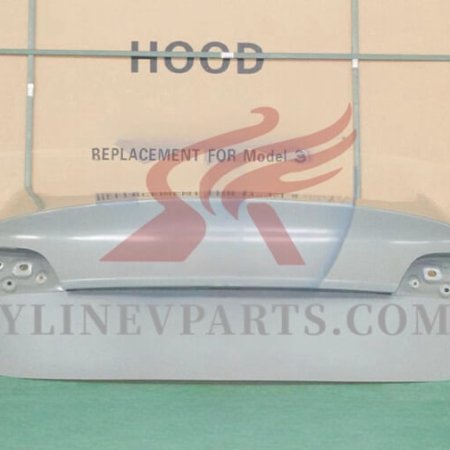
The Mystery of Tesla Aftermarket Hoods: Are They Truly Made of Aluminum?
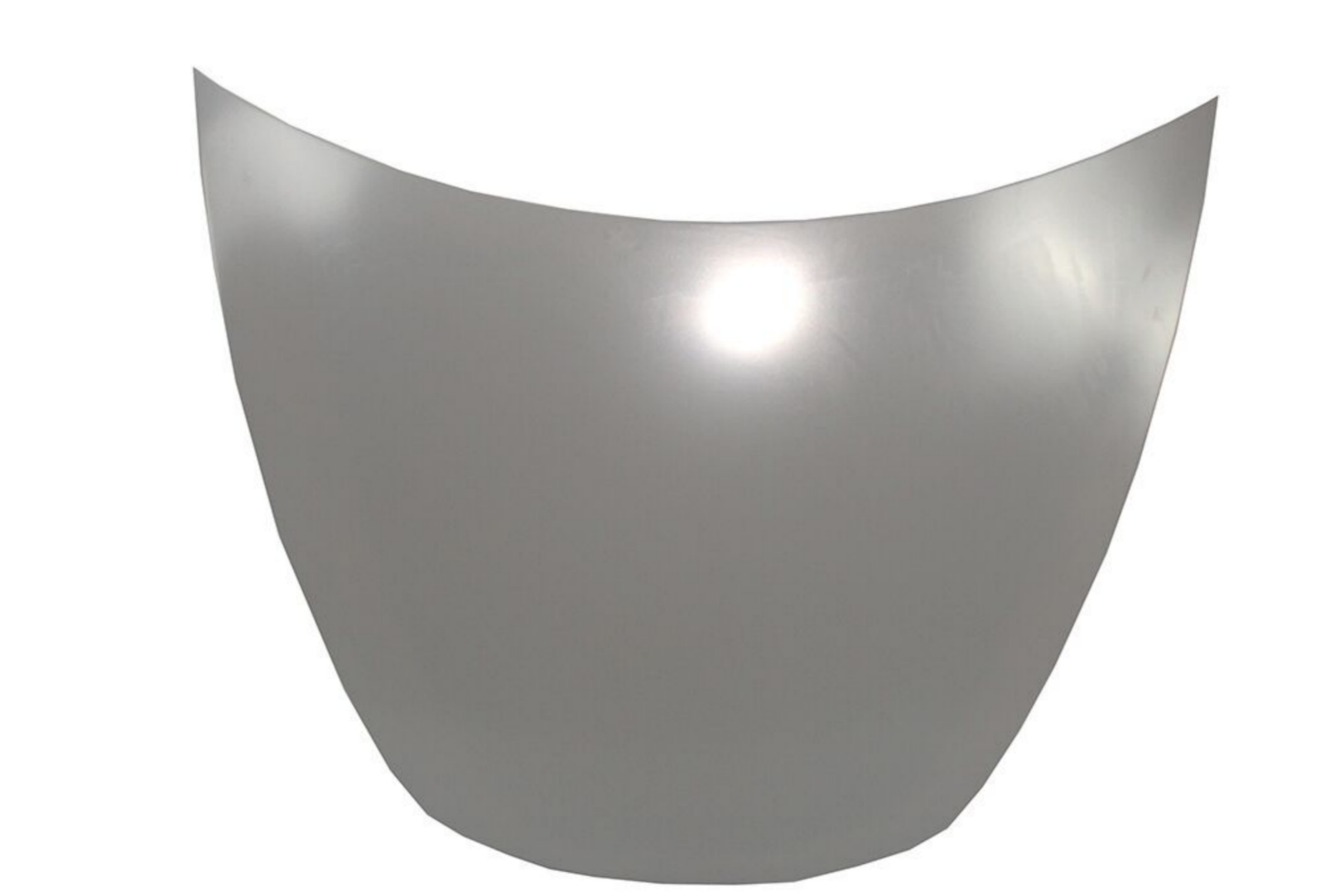
Tesla, a leader in innovative electric vehicles, has witnessed a surge in demand for aftermarket hoods. But here’s the burning question—are these hoods truly made of aluminum, as many claim? In this post, we’ll dig into the world of Tesla aftermarket hoods, unraveling the mystery behind their materials and construction.
As the popularity of Tesla vehicles skyrockets, so does the demand for aftermarket parts and accessories. Among these, hoods have emerged as a hot commodity, creating lucrative opportunities for Tesla repair shops and parts importers alike. Advertised as lightweight, durable, and often made of aluminum—a material revered for its strength-to-weight ratio and corrosion resistance—these hoods are appealing to many buyers.
But here’s the twist: Are they actually made from aluminum? While numerous manufacturers boldly label their hoods as aluminum, increasing skepticism surrounds the authenticity of these claims. Reports have surfaced suggesting that some aftermarket hoods may not be entirely made from aluminum, raising doubts and confusion among Tesla repair shops and automotive parts dealers.
Though it’s widely known that Tesla’s original hoods are constructed from aluminum alloy, many of the aftermarket alternatives fall short of this standard. The truth, however, is more complicated. There’s a wide variety of aftermarket hoods out there, each crafted from different materials and utilizing unique construction methods. The landscape of aftermarket hoods is far from simple, and knowing what’s truly under the surface requires a closer inspection.
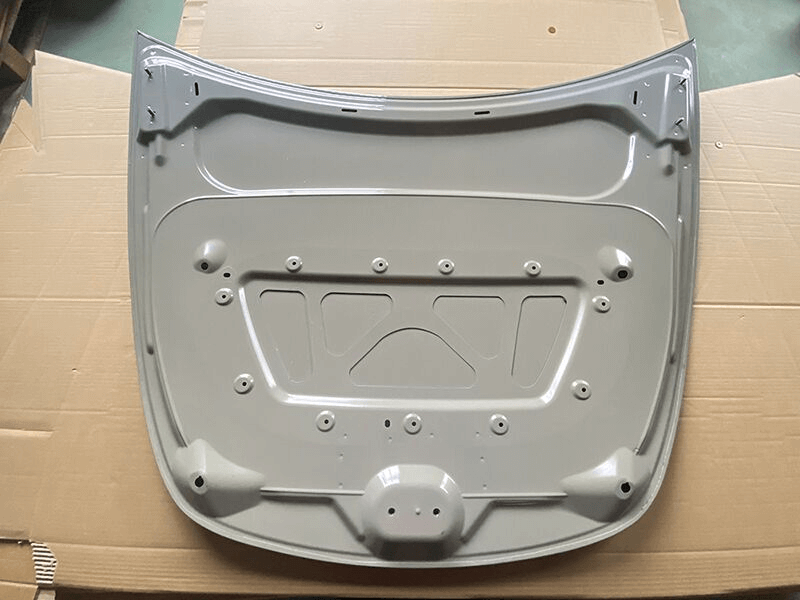
1. Full Steel Tesla Hoods
Full steel hoods are heavier and more affordable, primarily because iron is much cheaper than aluminum and has a higher density. These hoods were quite common in the aftermarket market in early 2022, as many consumers and traders weren’t well-versed in the material properties of Tesla body parts and often got misled. However, production of these steel hoods has sharply declined, and they are now close to being phased out entirely. Identifying these hoods is a straightforward task—simply weigh them or run a magnet test, and the steel construction will become immediately obvious.
2. Aluminum Outer Panel, Steel Inner Panel, and Small Parts
As consumer awareness has grown, there has been a noticeable drop in demand for full-steel hoods. In response, some manufacturers have shifted to creating hoods with aluminum alloy outer panels and steel inner panels, along with steel reinforcements in the internal structure. This approach allows manufacturers to lower production costs while making it harder for customers to notice the difference, especially since many buyers only perform magnet tests on the outer panels. While these hoods are still fairly easy to identify, doing so requires a more thorough inspection. Weighing the hood and using a magnet on both the outer and inner panels will give a clearer picture of its composition.
3. Aluminum Outer and Inner Panels, with Steel Small Parts
This method has become one of the trickiest practices in the aftermarket hood market, making it challenging for many repair shops and traders to spot the difference. Manufacturers frequently claim that their hoods are crafted from 100% aluminum alloy, which adds another layer of confusion to the identification process.
In reality, while both the outer and inner panels are made of aluminum, their thickness is reduced to around 0.8mm, compared to the original hoods that typically use 1.0mm thick aluminum. This reduction helps cut production costs and lightens the overall weight. However, the inclusion of steel for small fittings between the inner and outer panels adds some weight back in, making the total weight of these hoods nearly identical to the original all-aluminum ones, around 7.5kg.
So, is it impossible to tell which hoods are different from the genuine ones? Not at all. There are still ways to differentiate them, primarily through magnet tests and thorough visual inspections.
Because aluminum and iron have different properties, they can’t be welded together using traditional methods. Instead, manufacturers use riveting, which leaves distinct marks on the inner panel of the hood. These marks can be a dead giveaway, helping you spot the difference from an original factory hood.
Although magnet tests can still help identify these hoods, they need to be done at specific locations—especially around the hinge and latch areas where the steel fittings are placed. Likewise, when checking for rivets, focus on these key areas. At this point, weighing the hood is no longer the most reliable method for identification.
4. Full Aluminum Panels and Small Parts, but 0.9mm Thick
Many aftermarket hoods are constructed with aluminum alloy for all panels and small parts, claiming to meet the factory’s standards—though they often don’t specify the exact material thickness. While the original factory hoods use 1.0mm thick aluminum alloy, some manufacturers opt for 0.8mm or 0.9mm thickness to cut costs. This reduction can result in significant savings, with every 0.1mm drop in thickness potentially lowering the price of a hood by 40-50RMB.
The only reliable way to tell these hoods apart is by weighing them. A factory-standard 1.0mm hood typically weighs 7.5kg, while a 0.9mm hood weighs around 6.9kg, and a 0.8mm version drops to 6.3kg. However, variations in thickness, like 0.85mm or 0.95mm aluminum, could lead to slight differences in weight. So, when negotiating with factories, always ask about the specific aluminum grade and thickness to ensure you’re getting exactly what you expect.
5. Full Aluminum in All Panels and Small Parts, 1.0mm Thickness—Identical to OE Parts
These hoods are made from the same high-quality aluminum as the original factory parts, with a 1.0mm thickness that matches the OEM specifications. Their strength, durability, and weight all align with the strict automotive quality standards, making them among the best aftermarket hoods available. These hoods offer performance and reliability on par with the original factory parts, ensuring that your Tesla maintains its premium look and functionality.
Type |
Description |
Distinguishing Features |
| Full Steel Tesla Hoods | Heavy and inexpensive due to iron composition. Common in the early 2022 market but now rare. Easily identified through weighing and magnet tests. | Heavy; identifiable by weight and magnet tests. |
| Aluminum in Outside Panel, Steel Inside Panel | Outer panel aluminum, inner panel, and small parts steel. Emerging trend as awareness grows. Identifiable by weight and magnet tests, focusing on specific areas. | Outer aluminum, and inner steel; were identified through weight and magnet tests, with a focus on specific areas. |
| Aluminum in Both Panels, Steel Small Parts | Latest market scam. Aluminum outer and inner panels, but thin. Iron used for small fittings, maintaining weight. Identified through weight and magnet tests, with thorough inspection required. | Aluminum panels, steel fittings; thinner than OEM; weight maintained through iron fittings. Identified through weight and magnet tests, requiring thorough inspection. |
| Full Aluminum 0.9mm Thick | Aluminum alloy throughout but thinner than OEM. Cost-saving alternative. Identified by weight. | Aluminum alloy; thinner than OEM. Identified by weight. |
| Full Aluminum 1.0mm Thick | Equivalent to OEM in quality. Uses aluminum of OEM thickness. Meets automotive quality standards. Considered among the best aftermarket options. | Aluminum alloy; same thickness as OEM. Meets quality standards. |
6. Not All Aluminum Is the Same: AL6061 vs. AL5182
It’s important to recognize that not all aluminum used in aftermarket hoods is identical. While many hoods are made entirely from aluminum, the alloy grade can vary significantly. In the Chinese market, Tesla hoods are typically crafted from the 5000 series aluminum alloy, which is known for its excellent corrosion resistance and formability. However, for customers with specific needs, some manufacturers offer the option to produce hoods using the 6000 series aluminum alloy, which provides greater strength and is often used for more demanding applications.
Is Tesla Hood Aluminum?
When sourcing aftermarket hoods, it’s essential to partner with reputable manufacturers who prioritize quality control. Manufacturers that adhere to strict standards are more likely to deliver products that meet or even exceed expectations. By choosing trusted suppliers, you can ensure you’re getting genuine, high-quality aluminum hoods that will not only satisfy customer needs but also elevate your business’s reputation and reliability in the market.
Where to Buy Tesla Aftermarket Hoods?
Kylin EV Parts Ltd is located in Guangzhou, the hub of China’s automotive parts industry. Established in 2013, we focus on the supply chain of new energy automotive parts, providing brand solutions for entire vehicle series from a screw to exterior components, connecting the upstream and downstream supply chains, and forming strategic alliances with production factories through customization, alliance. Adhering to the principle of ensuring the quality of a component is equal to protecting the safety of a family.
In 2022, our international trade department was established, focusing on the integration of Tesla, VW, and BYD, as well as aftermarket modifications. As China’s premier B2B supplier, we offer a comprehensive service in integrating EV spare parts for numerous foreign sellers, both online and offline.
We extend a cordial invitation to collaborate with foreign dealers and explore OEM and ODM partnerships for our products. With our commitment to the most professional service, the highest quality products, and the most reasonable prices, we endeavor to provide unparalleled support.